From the harvest field to the hands of every generation — a craft that endures
Corn husk doll making carries a documented history spanning centuries, continents, and cultural lineages that remain relevant to every maker today.
Historical content on this page is presented for informational purposes and reflects current scholarly understanding of folk art traditions.
A craft older than any single culture
- Thousands of years
-
Documented craft age
Archaeological evidence places husk dolls among the oldest surviving folk art forms
- Multiple continents
-
Cultural origins
Independent traditions developed in the Americas, Europe, and parts of Africa
- Dozens of nations
-
Indigenous lineages
Recorded traditions span many distinct Indigenous nations across North America
- Living craft
-
Current status
Active making communities continue to practise and adapt the tradition globally
A craft through time
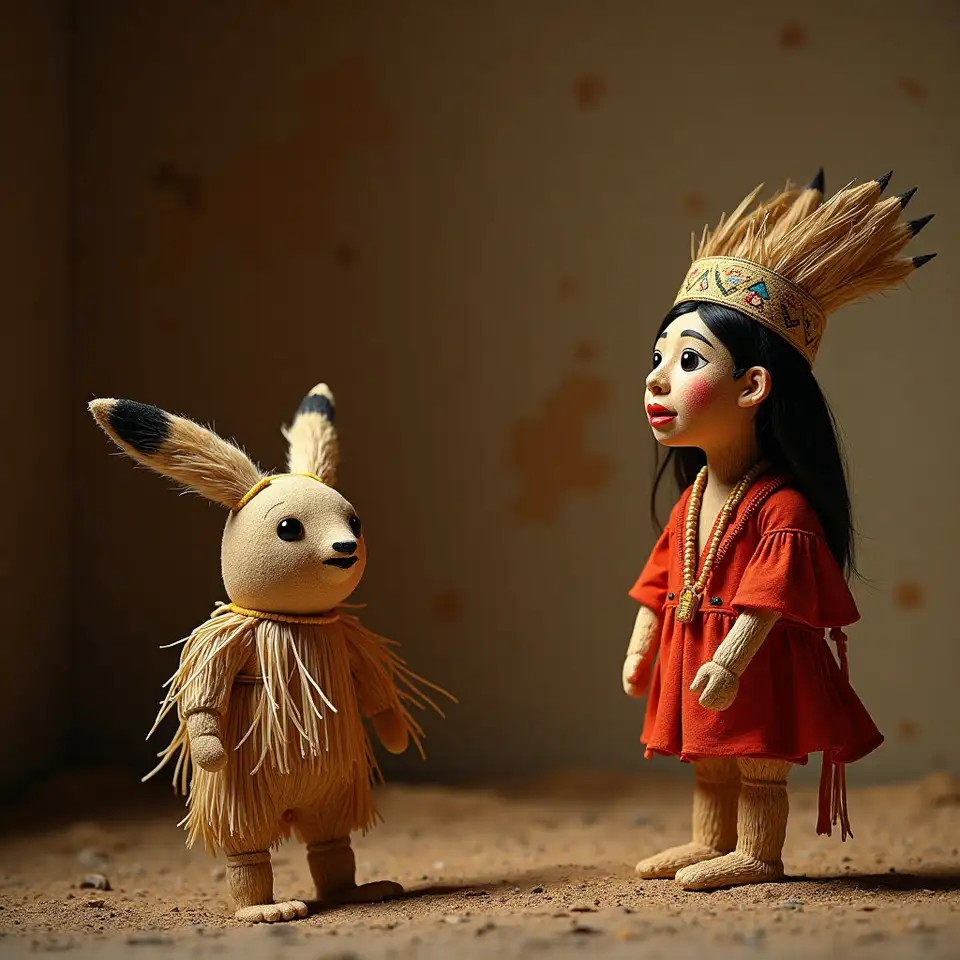
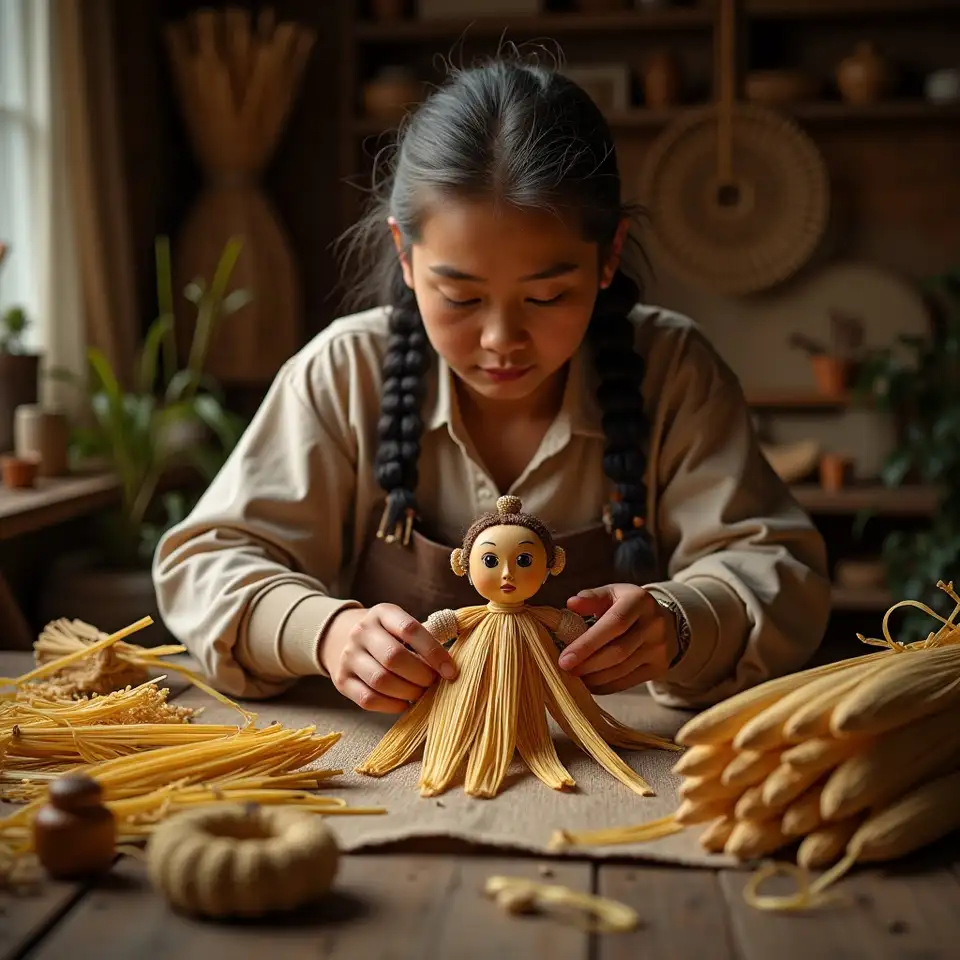
Corn husk dolls appear in the material culture of numerous Indigenous North American nations centuries before European contact. Ethnographic records describe figures used as children's playthings and, in some contexts, as objects with ceremonial significance. The faceless doll — present across several Haudenosaunee and Iroquois traditions — carries cultural narratives that differ by nation but reflect a consistent and deliberate relationship between maker, material, and meaning.
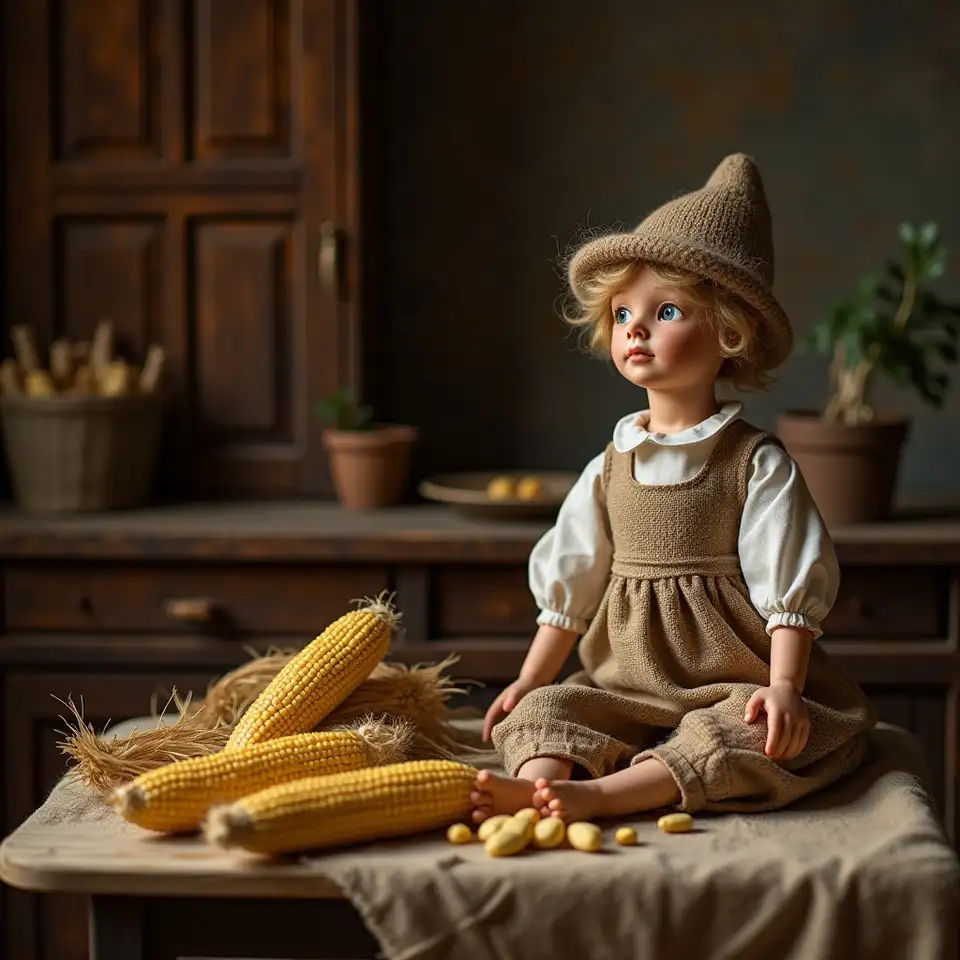
European settlers in North America encountered the corn husk doll through contact with Indigenous communities and through the practical demands of agricultural life. Corn husks, abundant at harvest time and otherwise discarded, became a craft material in Colonial households. Documented accounts from this period describe husk figures made by women and children during winter months, adapting Indigenous techniques to European aesthetic sensibilities without always acknowledging their origin.
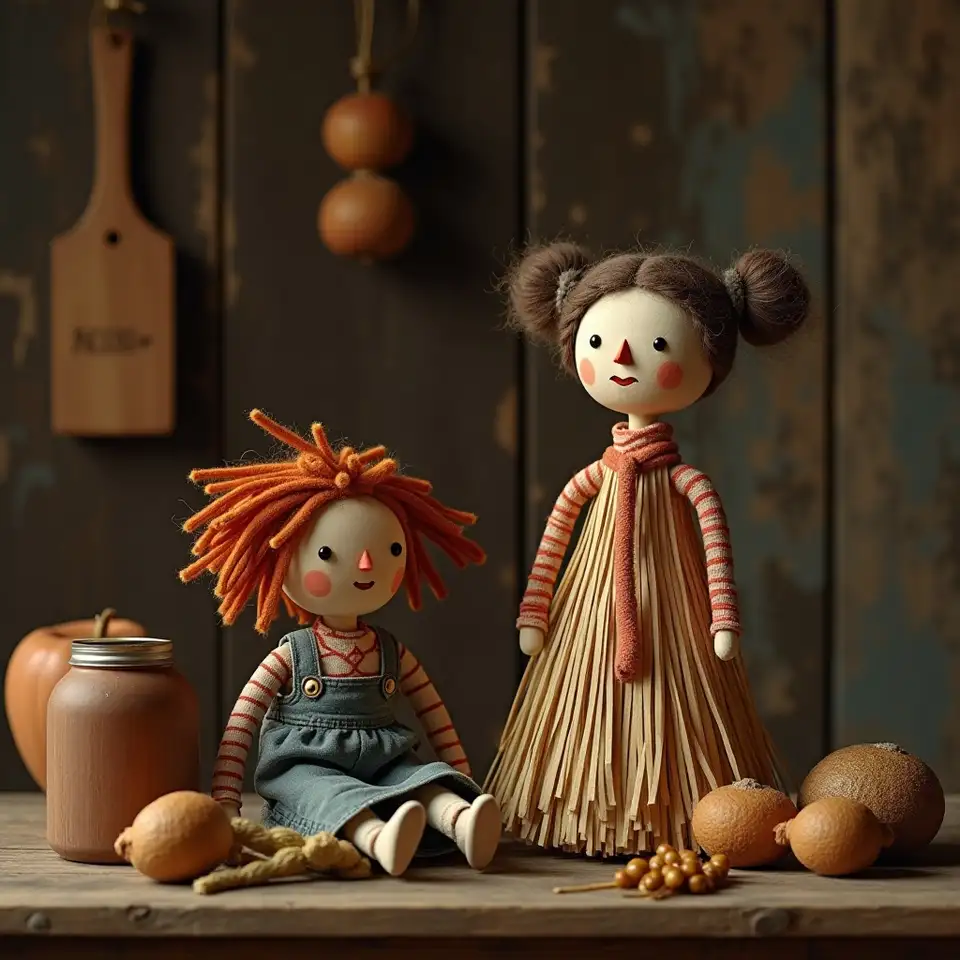
Mountain communities across the Appalachian range developed a distinct regional tradition of corn husk doll making, characterised by dressed figures, expressive poses, and the use of locally available natural materials including dried grasses, cotton, and wool. These communities preserved techniques through oral instruction and direct demonstration across generations, producing a body of folk art that is well documented in twentieth-century ethnographic studies of Appalachian material culture.
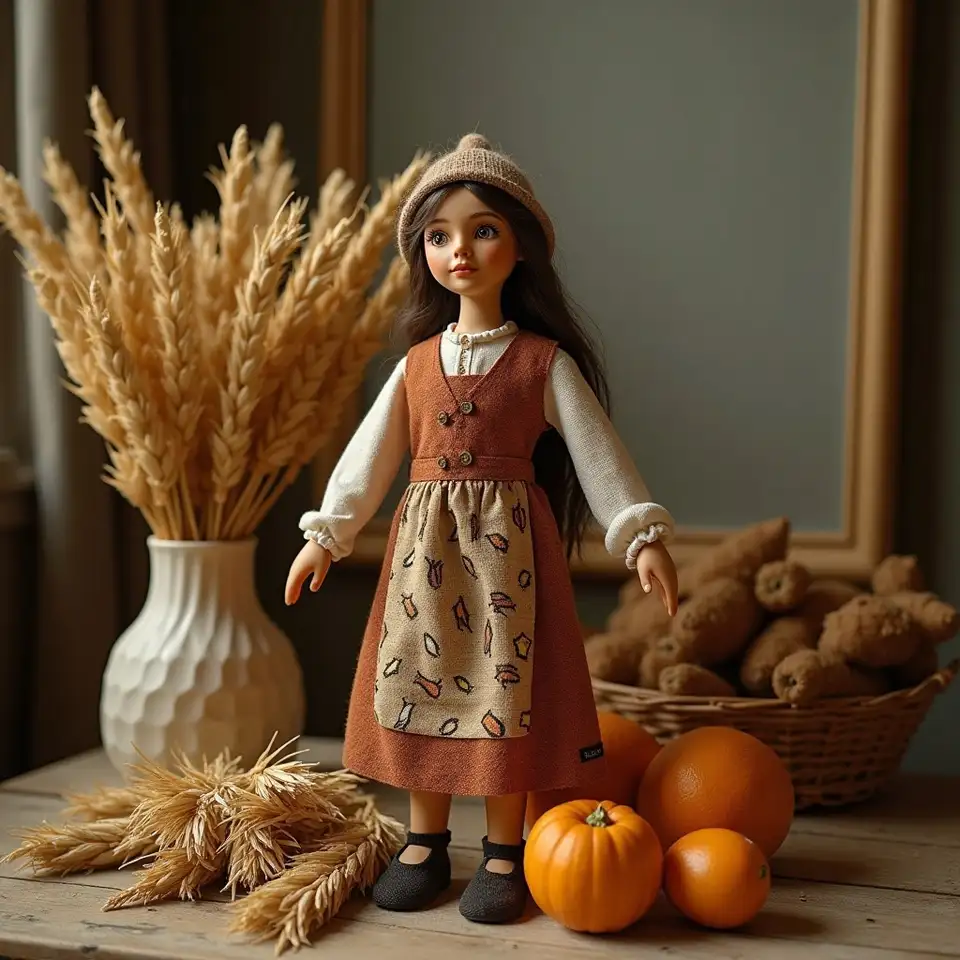
Eastern European agricultural communities — particularly in regions where corn became a staple crop following its introduction from the Americas — developed harvest doll traditions that parallel North American forms in structural logic while reflecting distinct regional aesthetics. Polish, Romanian, and Ukrainian harvest figures made from corn husks, rye straw, and wheat share the same foundational technique of folding and binding plant fibres around a central core, suggesting that the material itself guides the maker toward similar solutions across cultures.
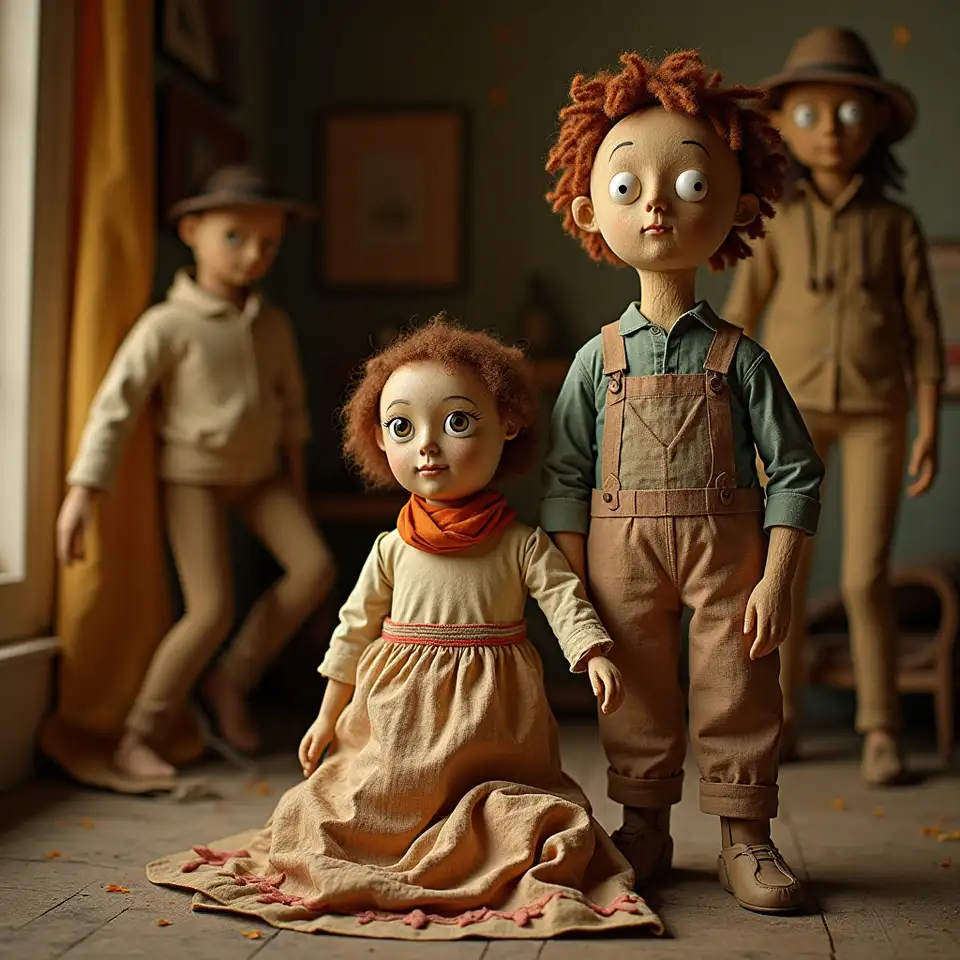
A broad folk art revival across North America in the mid-twentieth century brought renewed scholarly and popular attention to the corn husk doll. The Works Progress Administration documented regional craft traditions as part of a wider effort to record American folk culture, and craft organisations in Appalachian communities began producing husk dolls for the tourist and collector market. This period produced the written and photographic records that contemporary researchers and makers rely on most heavily.
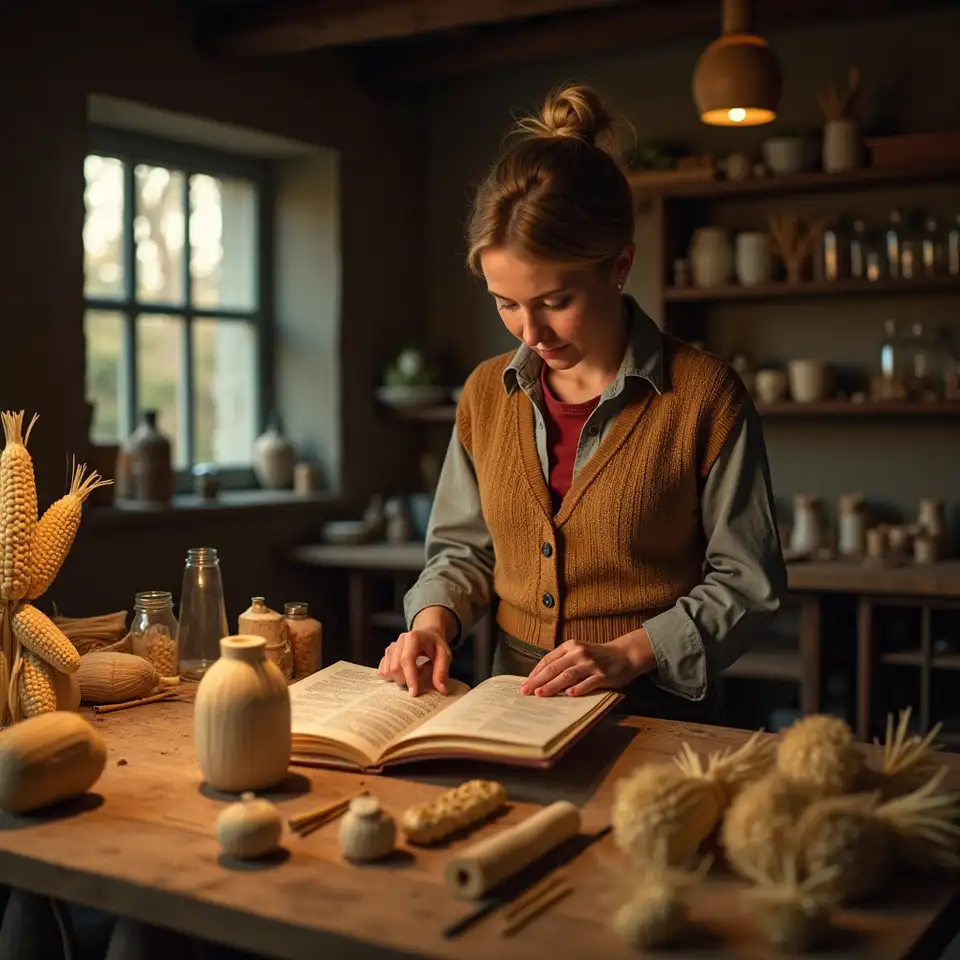
The broader handcraft revival of the 1970s and 1980s brought corn husk doll making to a new generation of hobbyist makers through published pattern books, craft fair demonstrations, and community workshop programmes. Instructional guides from this period — several of which remain referenced by contemporary makers — standardised terminology for key techniques and introduced the craft to audiences with no prior connection to folk art traditions. The hobbyist community established during this period laid the groundwork for today's online making communities.

Digital platforms have connected corn husk doll makers across countries and continents, creating communities of practice that share techniques, historical research, and finished work in real time. Australian, North American, European, and Latin American makers now exchange methods and interpretations within shared online spaces, producing a contemporary folk art conversation that is genuinely global. This site is part of that conversation — drawing on the full historical record to support makers wherever they are beginning.
Henry Glassie, professor emeritus of folklore at Indiana University, is among the most cited scholars in the study of folk art and vernacular material culture.
- SO
- JW
- MC
4.9 From our craft community
The history is long — the making can begin today with whatever husks are at hand
The tutorials section maps the practical steps — from soaking and shaping through to finishing and drying — in the same patient, step-by-step manner that the craft has always been transmitted. The community forum connects makers at every level, from those who have just completed a first figure to those who have been practising for years. Both are waiting.
Start making
Makers
Every tradition began with someone's first attempt
Knowing the history of a craft changes the experience of making it. A tied knot at the neck of a corn husk doll connects the contemporary maker to a lineage of hands that made the same gesture across centuries. That connection does not require expertise — it only requires beginning.
The materials guide, tutorials, and community forum are available without any prior experience or commitment. Starting with a single figure and a handful of husks is entirely sufficient.